


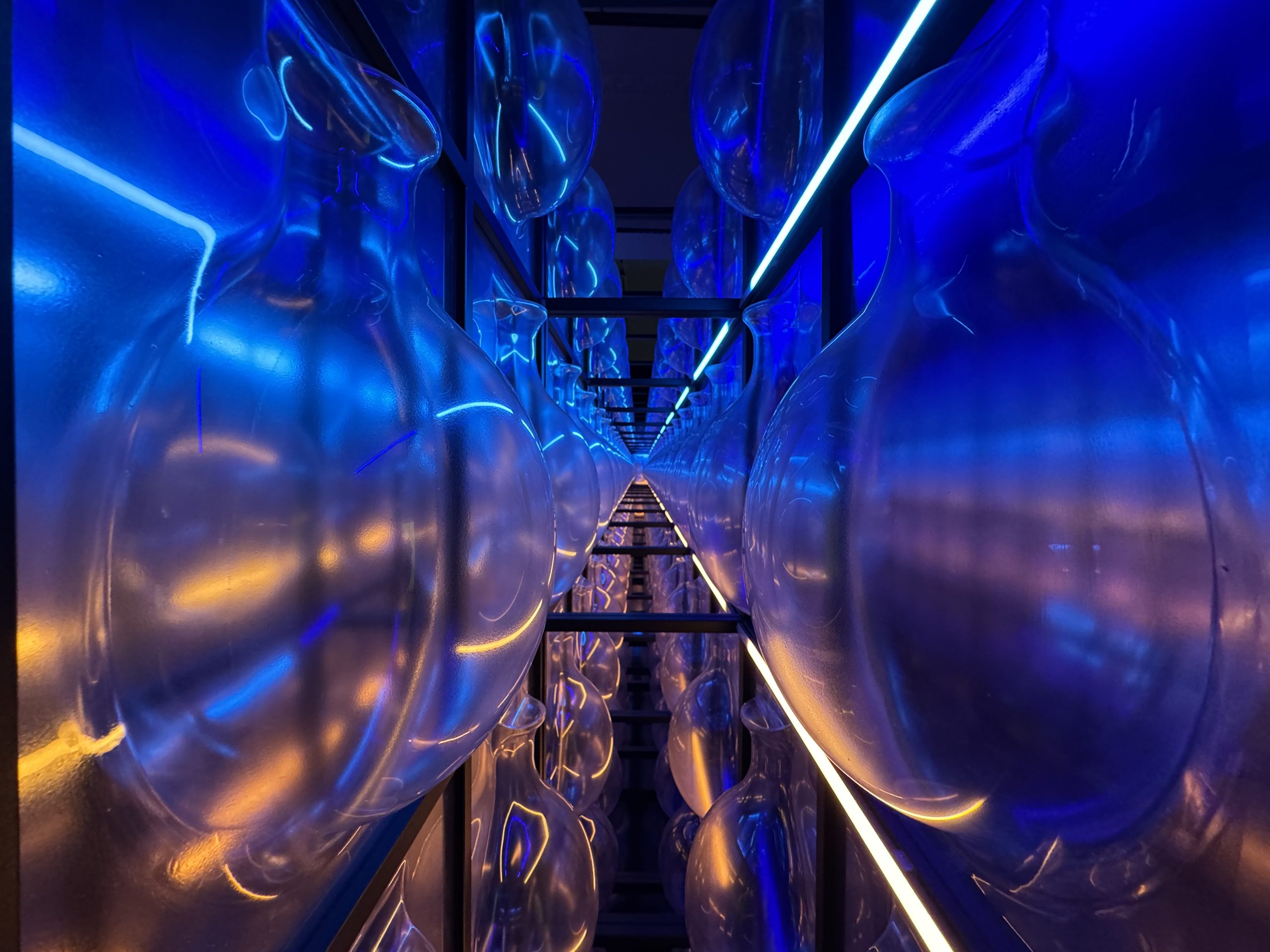
In The Mirror of Design: Surface Reflections | London Design Biennale ’25
The London Design Biennale 2025 transformed Somerset House into a vibrant hub of cultural exchange and creative dialogue. Guided by the theme Surface Reflections, this year’s edition invited participants and audiences to explore the interplay between appearances and underlying realities—whether material, emotional, or societal.
Among the many thought-provoking contributions from across the globe, several pavilions stood out for their conceptual depth, sensory engagement, and ability to provoke lasting contemplation. The following highlights present an overview of these notable works, each offering a distinct interpretation of the Biennale’s central theme.
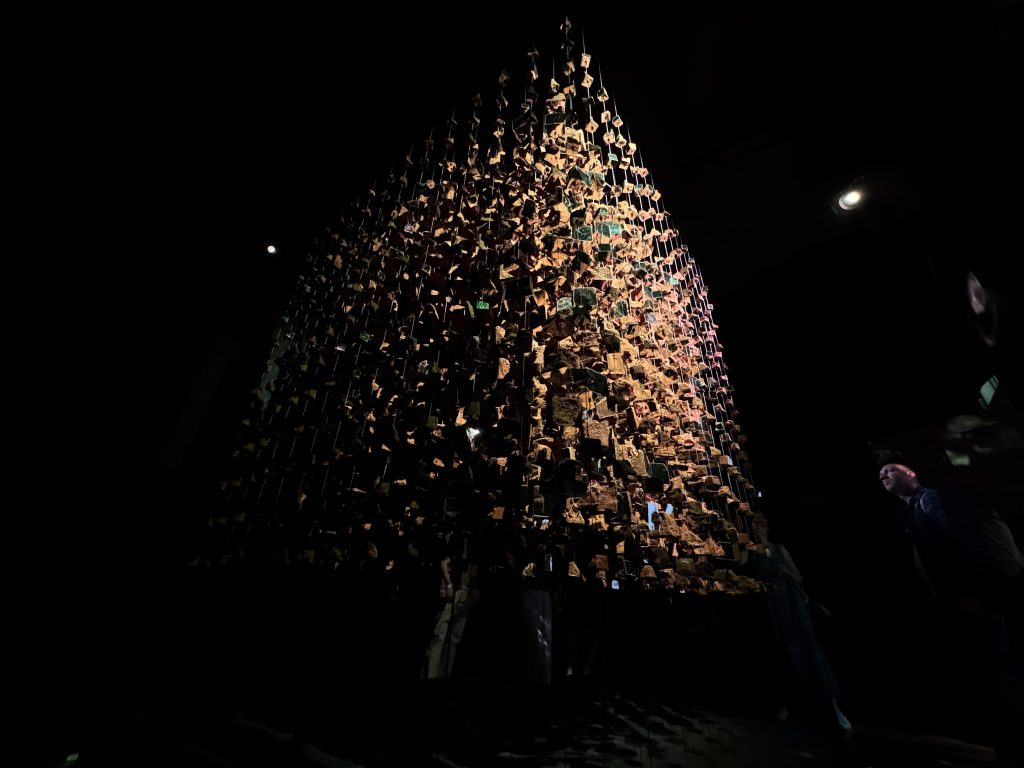
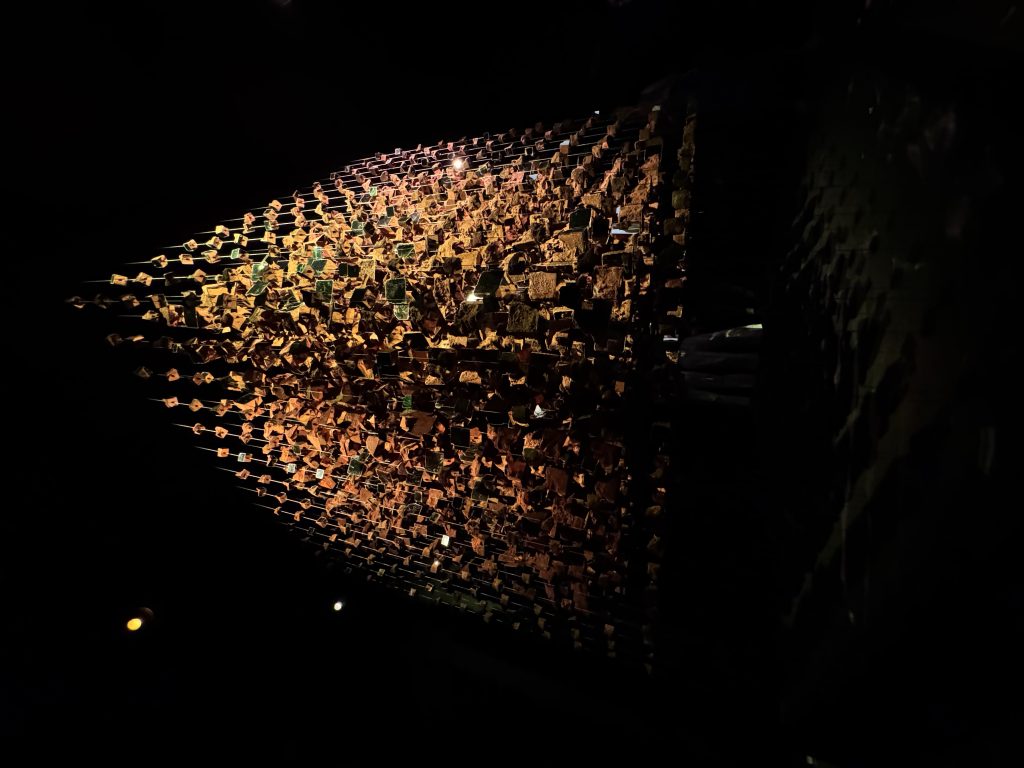
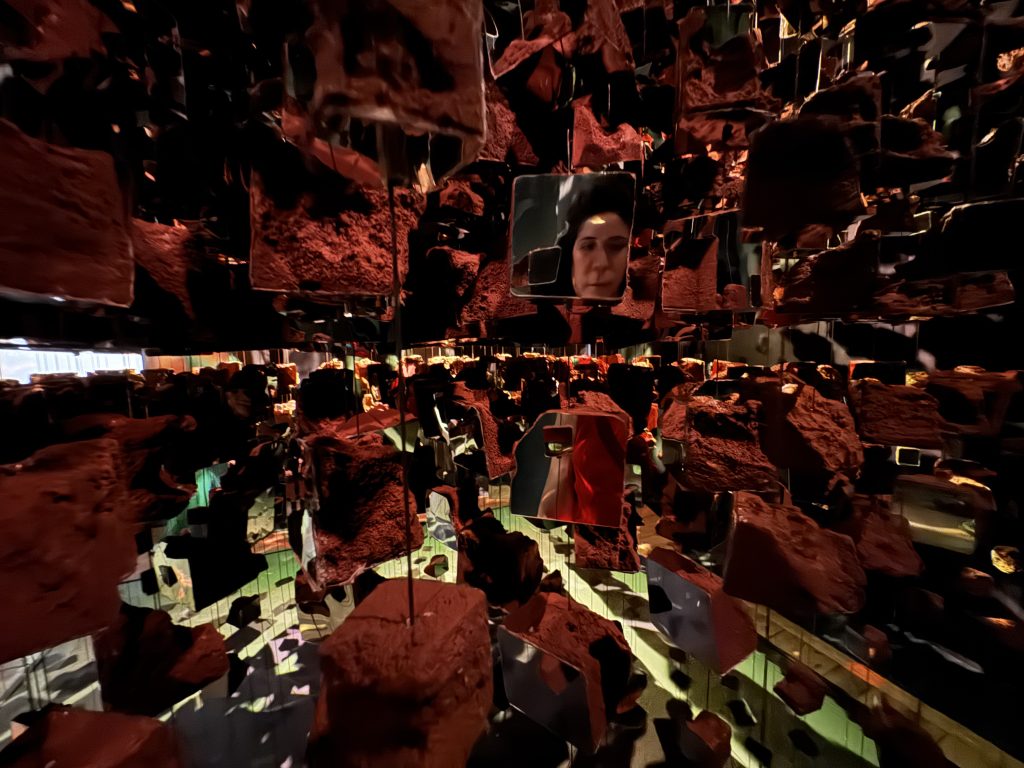
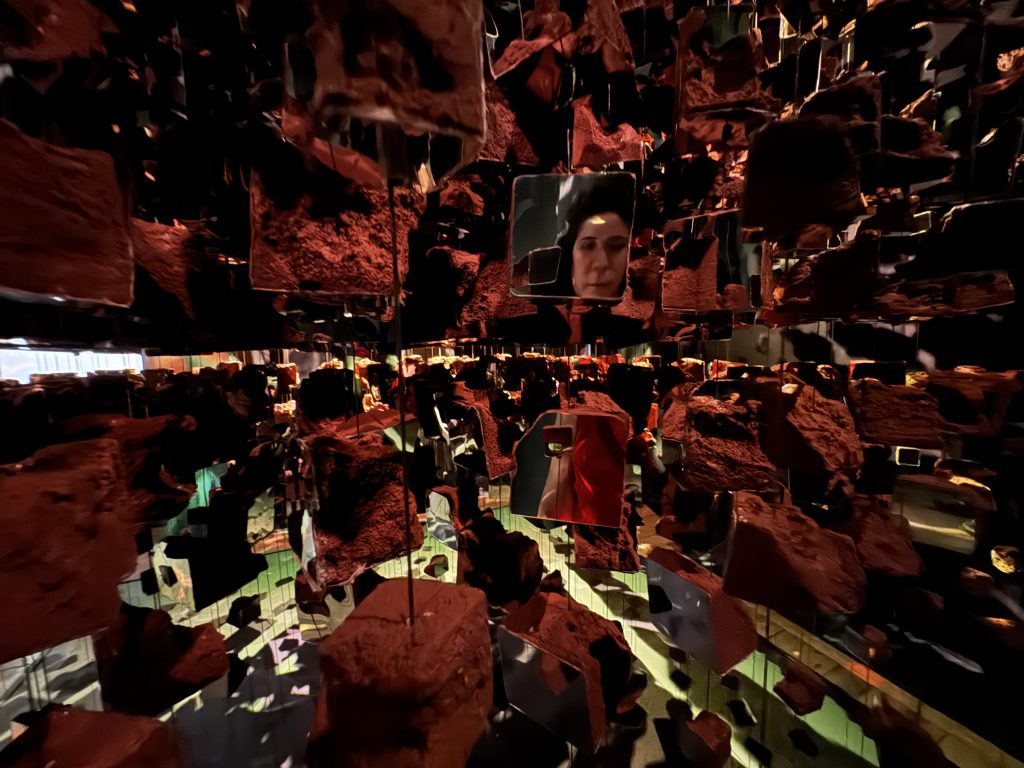
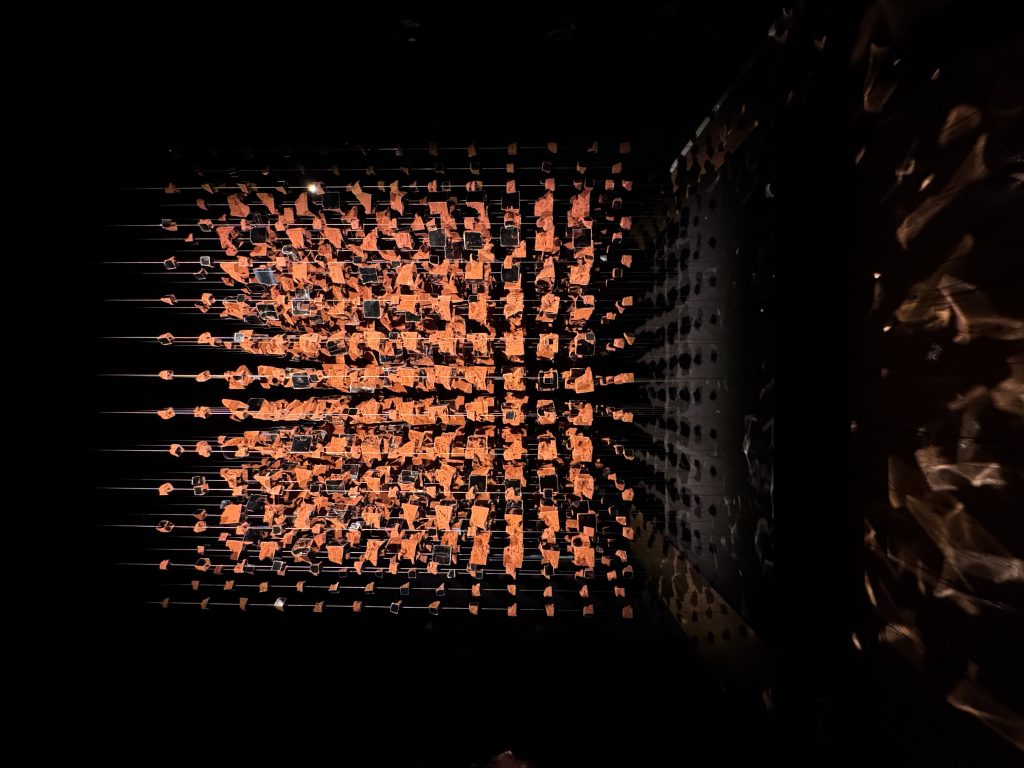
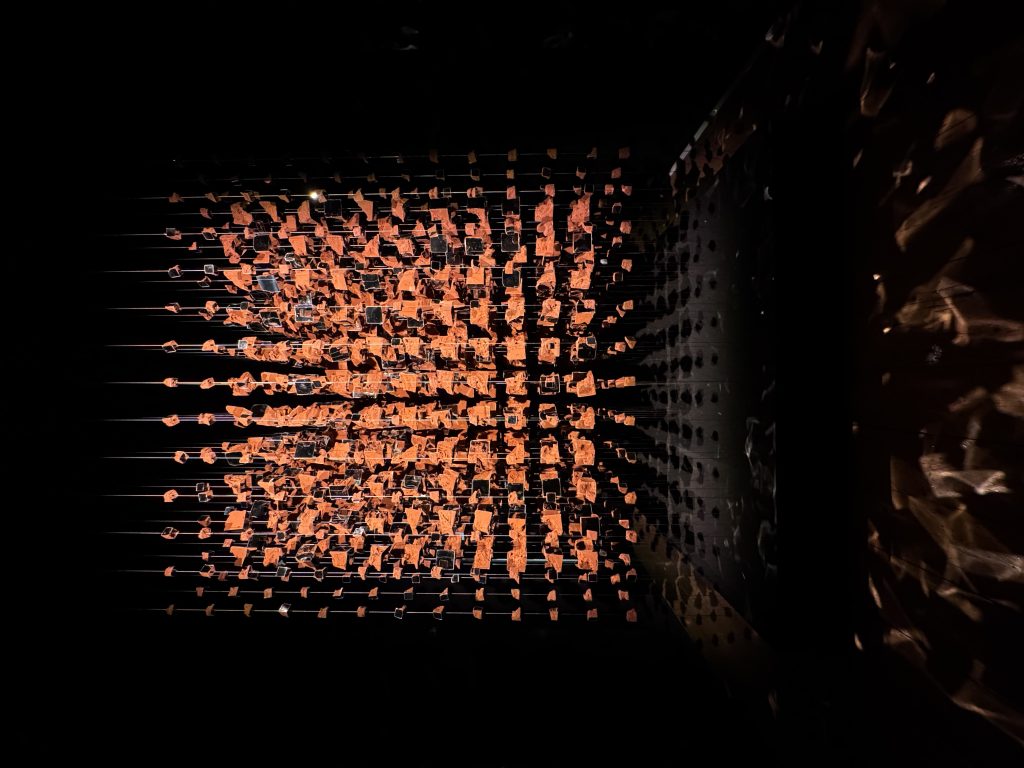
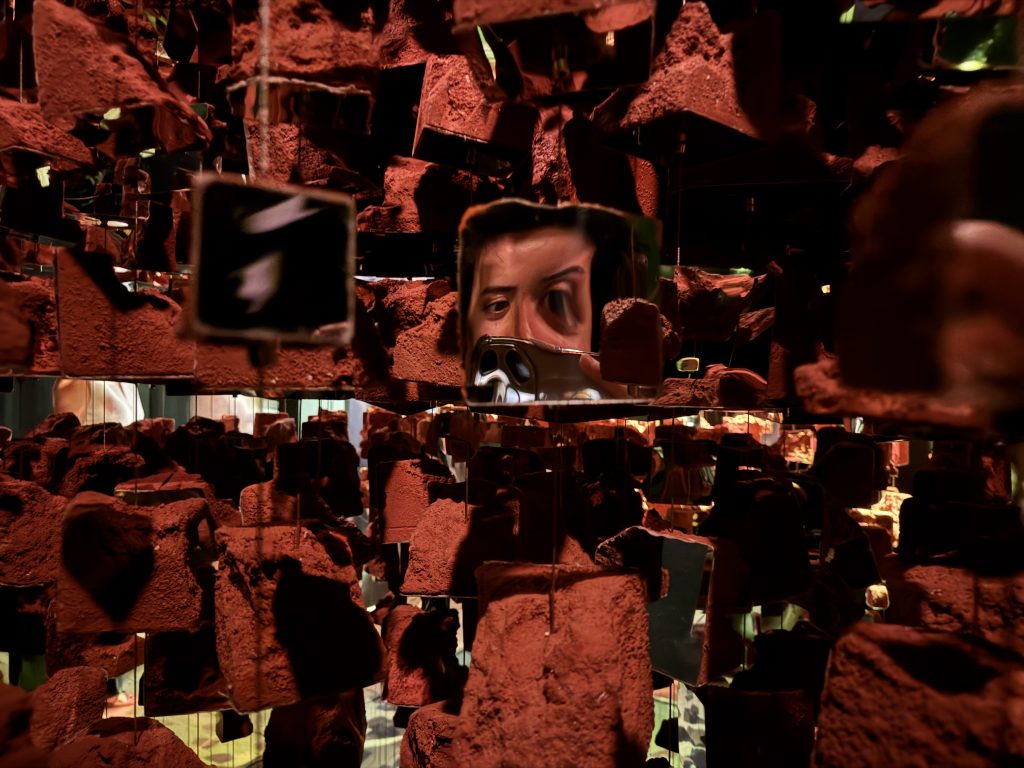
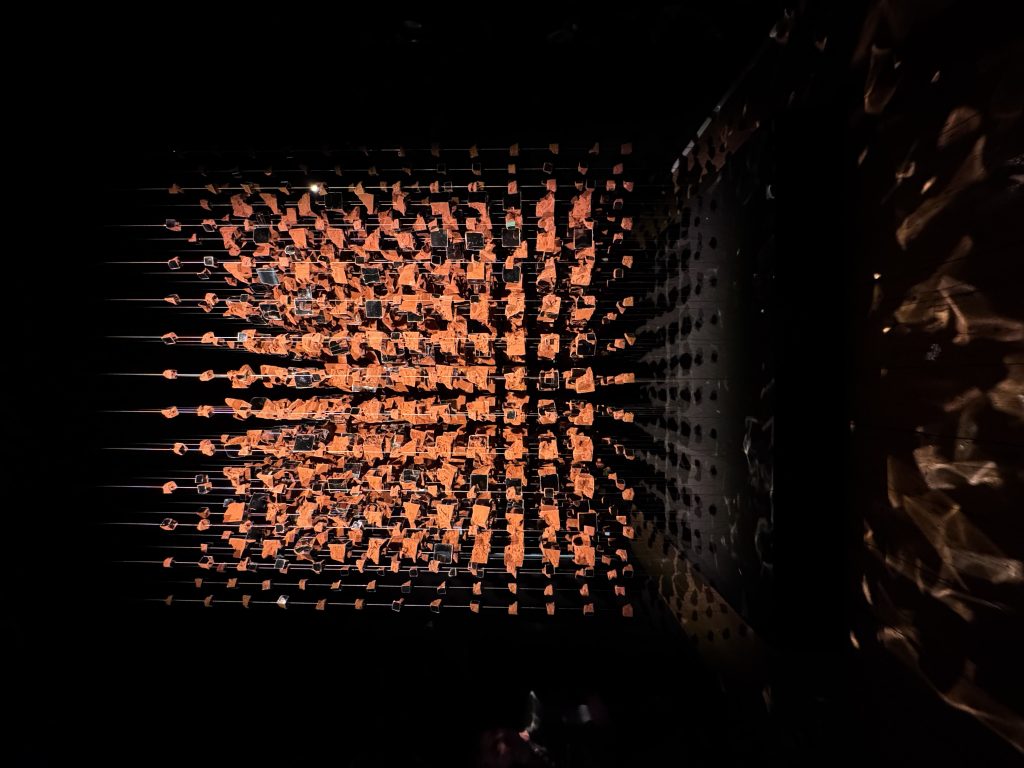
Melek Zeynep Bulut’s A Room of Resonance combined suspended clay fragments, mirrors, and strategic lighting to create a multi-sensory environment where perception became fluid. Visitors moved through a space that refracted their own reflections into fractured yet harmonious compositions, mirroring the tension between individuality and collective identity. The clay elements—rooted in earth and tradition—contrasted with the sleek surfaces of the mirrors, suggesting a dialogue between the organic and the artificial. Light shifted gently across the installation, casting ephemeral patterns that appeared and disappeared with movement, underscoring the impermanence of perception.
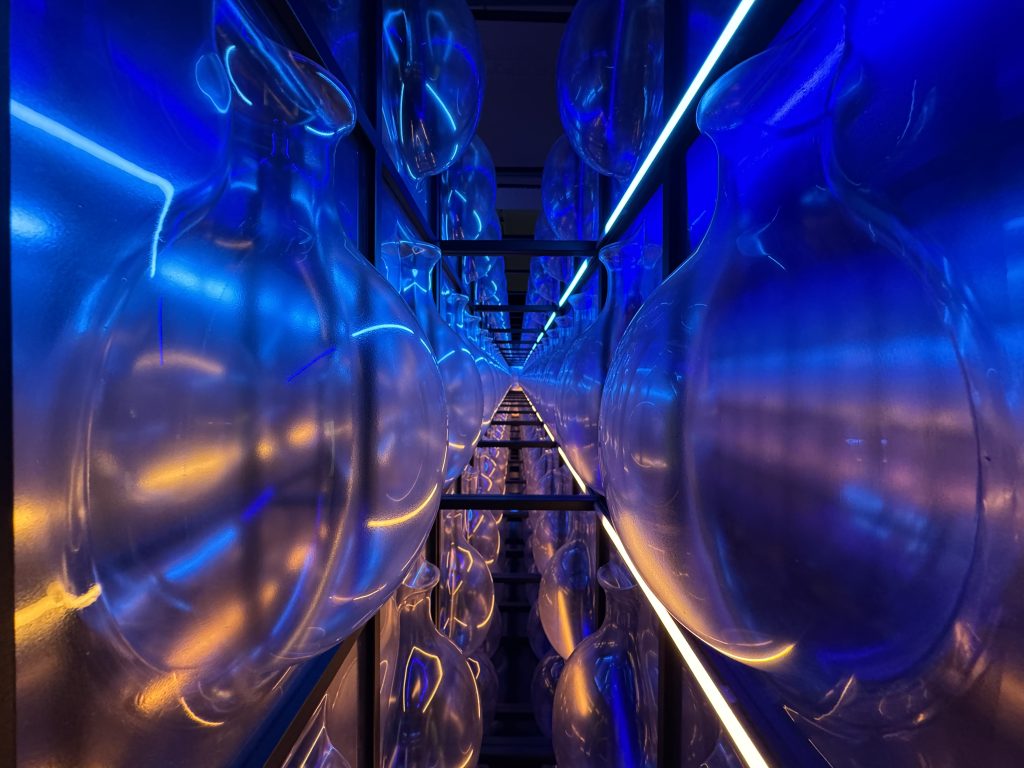
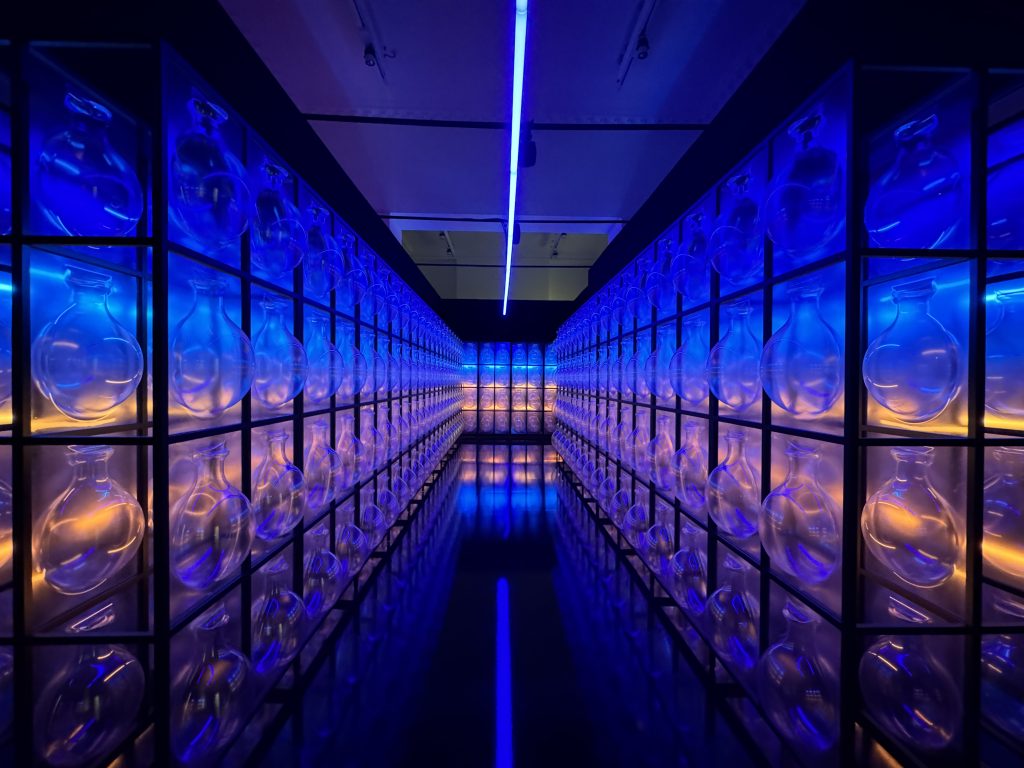
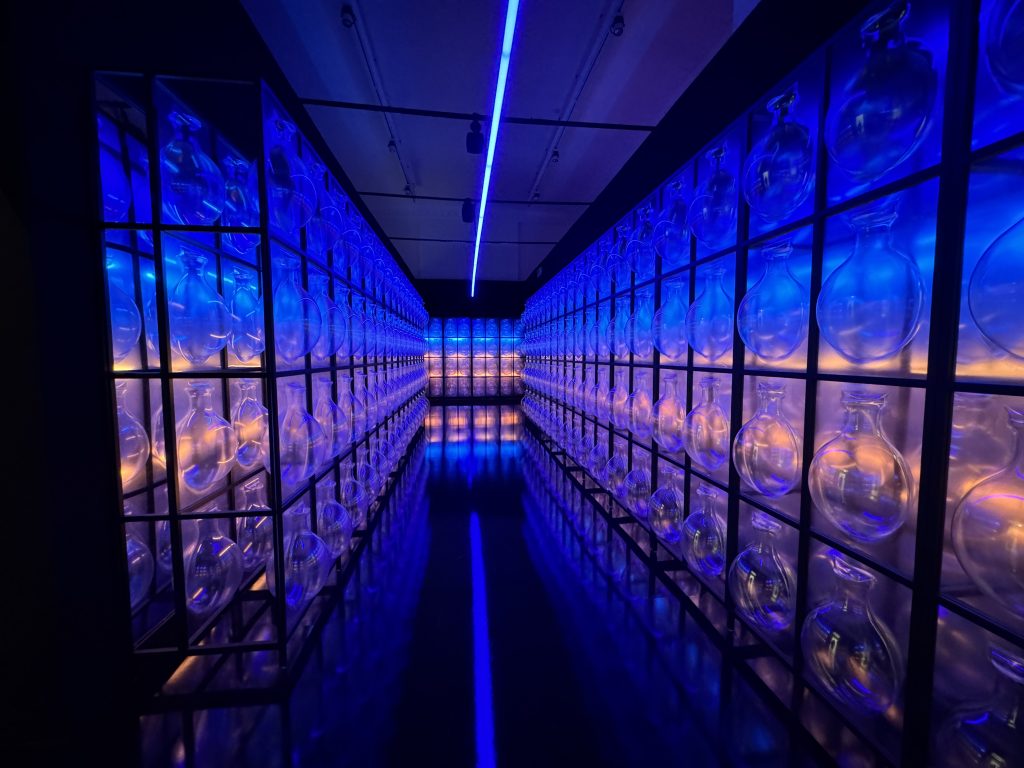
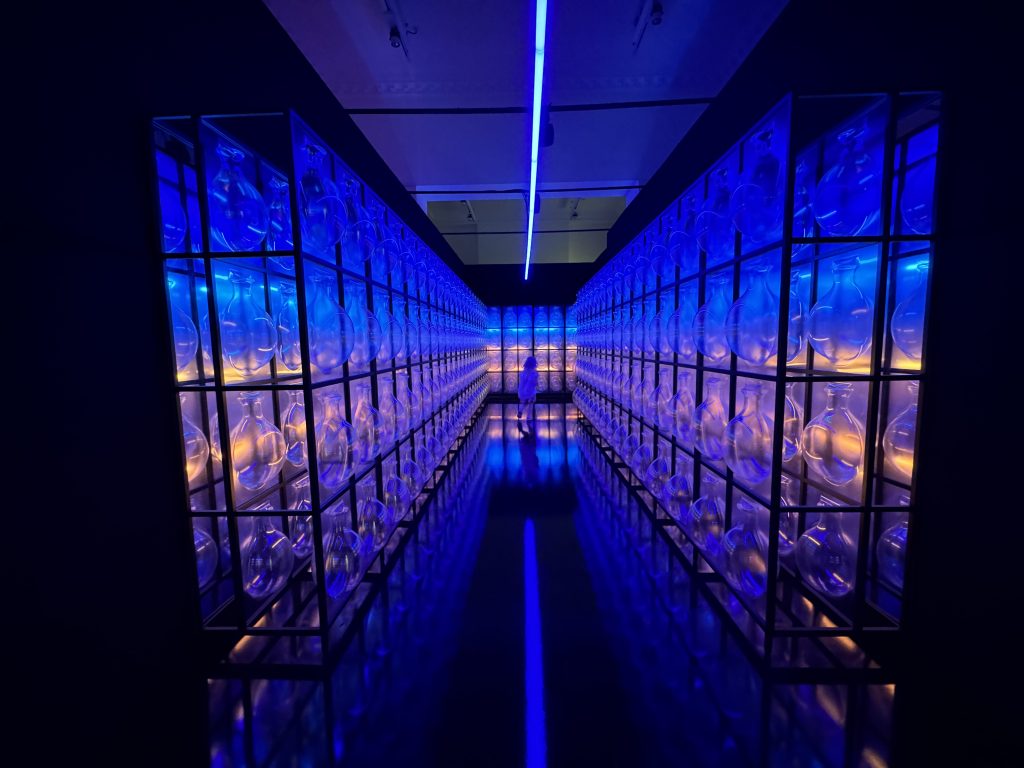
Oman’s pavilion presented a seamless fusion of traditional aesthetics and contemporary design language. Earth-toned materials, flowing forms, and intricate patterns created an atmosphere of warmth and hospitality, resonating with the country’s cultural heritage. At the same time, the pavilion incorporated modern design strategies that reframed these traditions for a global audience. Subtle sensory details—such as the interplay of filtered light and textured surfaces—invited viewers to move at a slower pace, allowing the narratives embedded in the design to unfold gradually. This spatial rhythm mirrored the rhythms of daily life in Oman, offering a cultural experience that was both immersive and reflective.
The Hong Kong pavilion explored the complex relationship between urban environments and human emotions through Visuospace, an immersive design experience. Employing holographic projections, data visualisation, and reconfigured spatial layouts, the installation revealed how architecture influences psychological well-being. Real-time emotional mapping transformed the space into a living diagram of collective sentiment, making visible the often-invisible exchanges between people and their built surroundings. By blurring the boundaries between physical and digital environments, the work questioned how future cities might better respond to the needs of their inhabitants.

Related Posts
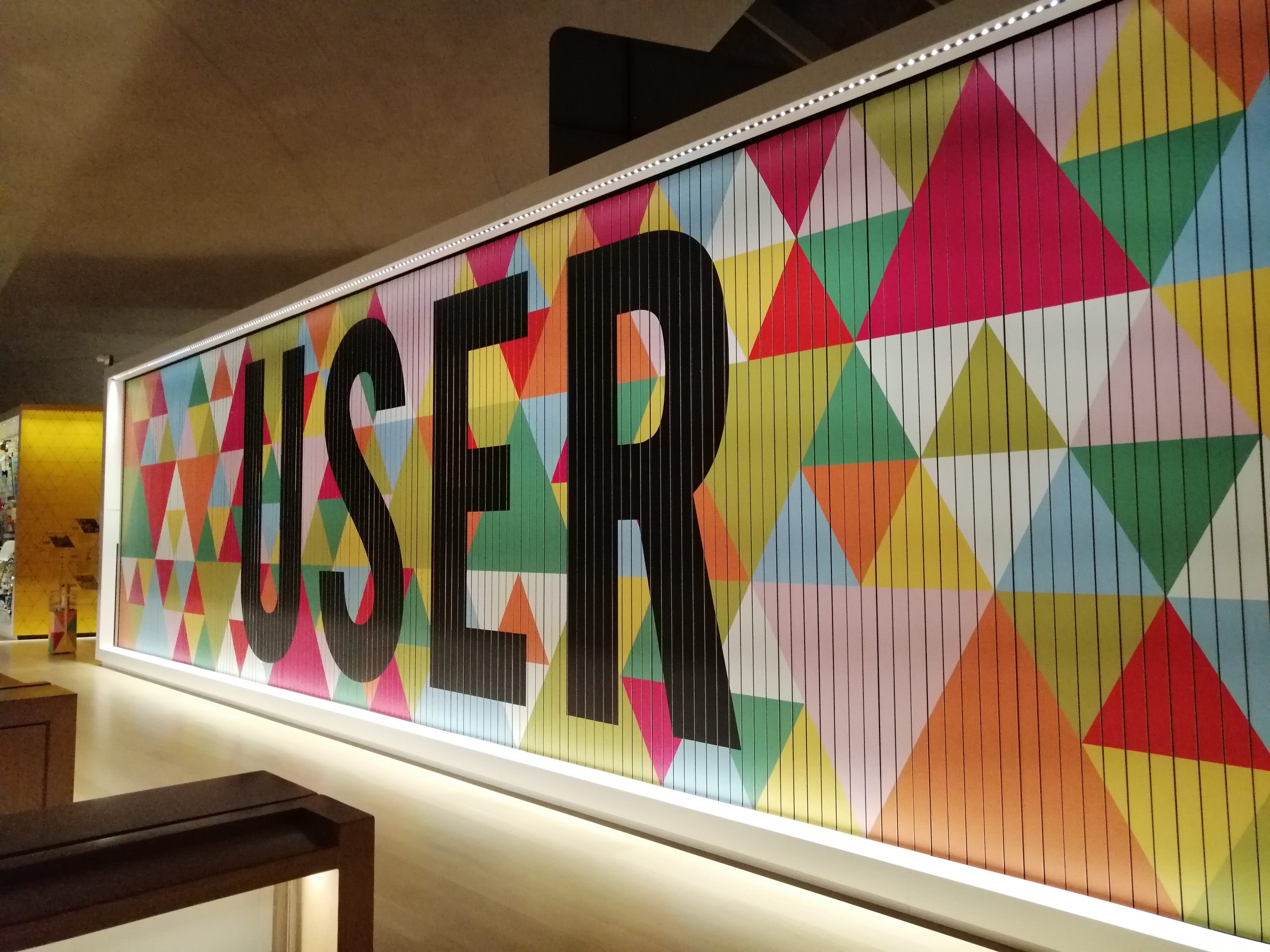
Design Museum | Designer – Maker – User
Designer, Maker, User is the new permanent exhibit of objects from the Design Museum’s collection, telling the story of design. The title of the event is very remarkable which draws attention to the importance of not just designer but also maker